Chicago Day Tours
I’m Serious Day Tour Man AI, your day trip expert. Ask me anything — where to go, how to get there, and what’s actually worth your day.
Chicago flips the usual formula. The single best tour in the region — many would say in America — happens on a river inside the city. The day trips around it are the gentler supporting cast: a national park of dunes you can reach on an electric commuter train, Frank Lloyd Wright’s home neighborhood 25 minutes out on the L, and Milwaukee close enough that lunch in another state is a train ticket, not a commitment.
The season matters more here than in most cities. June through October is the window for nearly everything below. Winter closes the lakefront and the boats, but the museums, the architecture walks, and the blues clubs stay open.
Here’s what’s worth a day, with real times and honest trade-offs.

Popular Day Trips
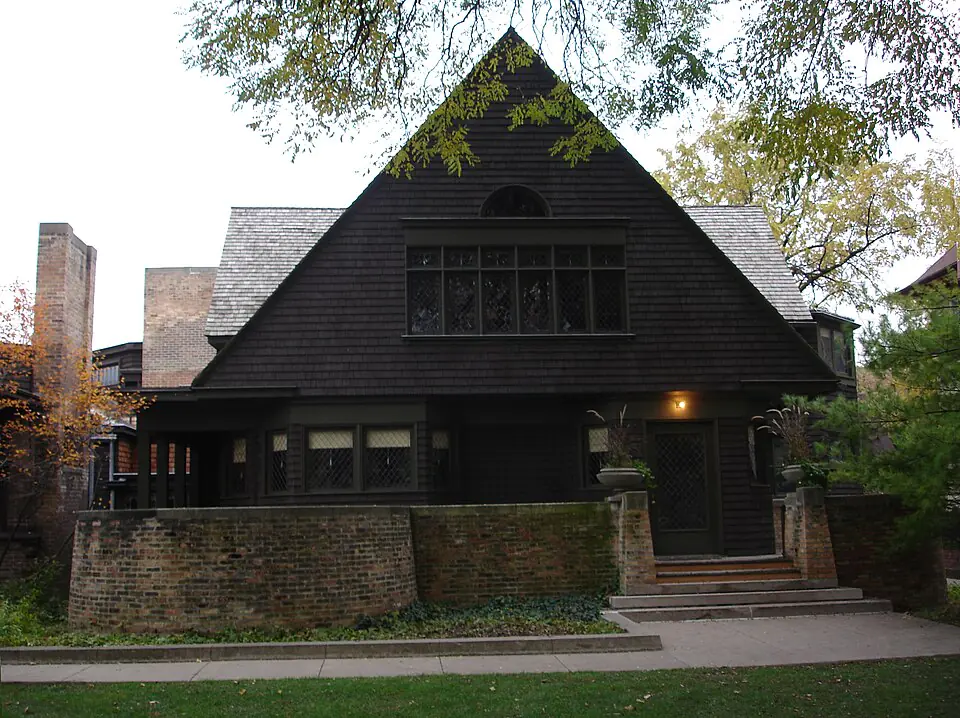
Oak Park
The Green Line, Wright’s Home and Studio
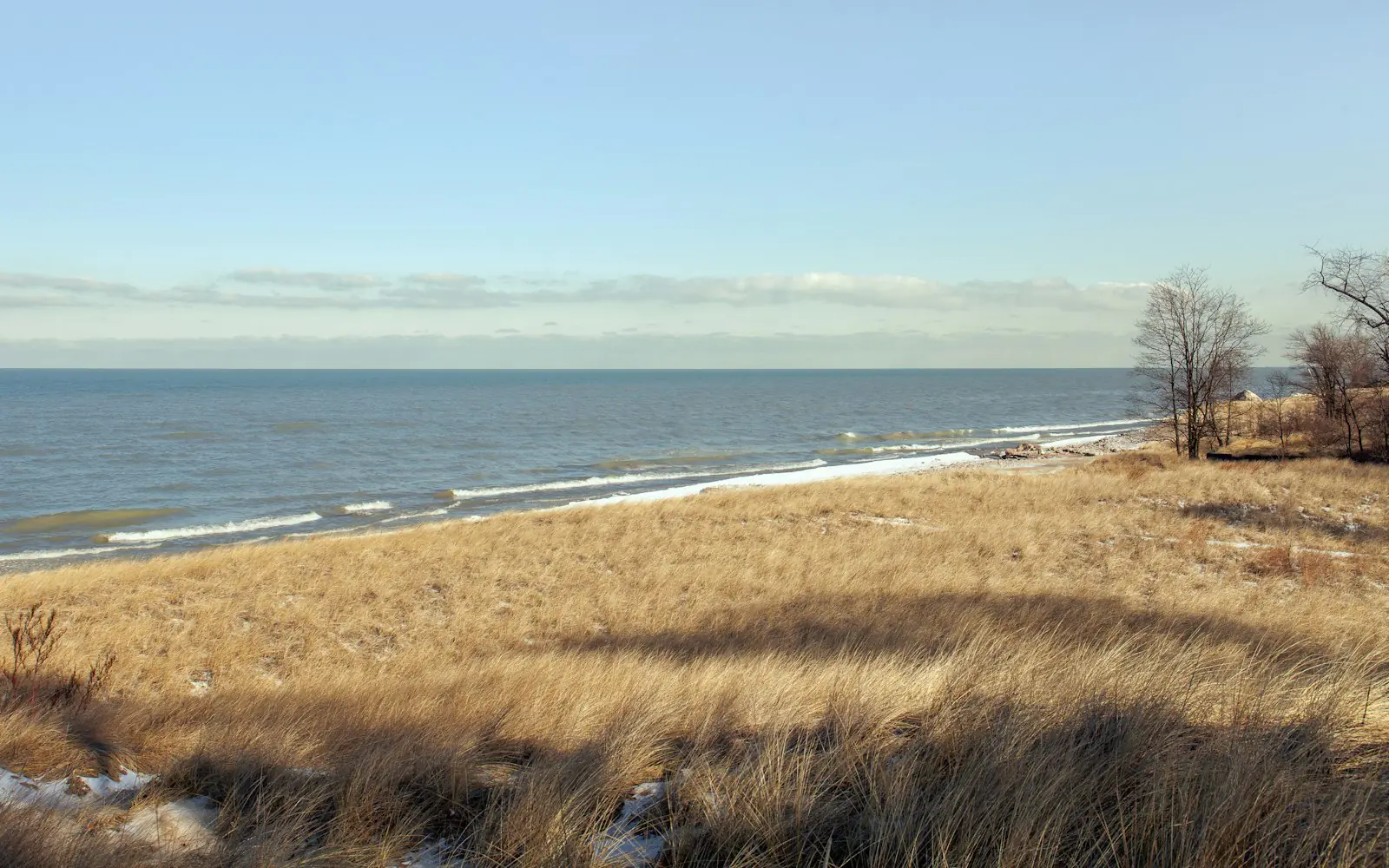
Indiana Dunes
The Electric Train to a National Park, the Three Dune Challenge
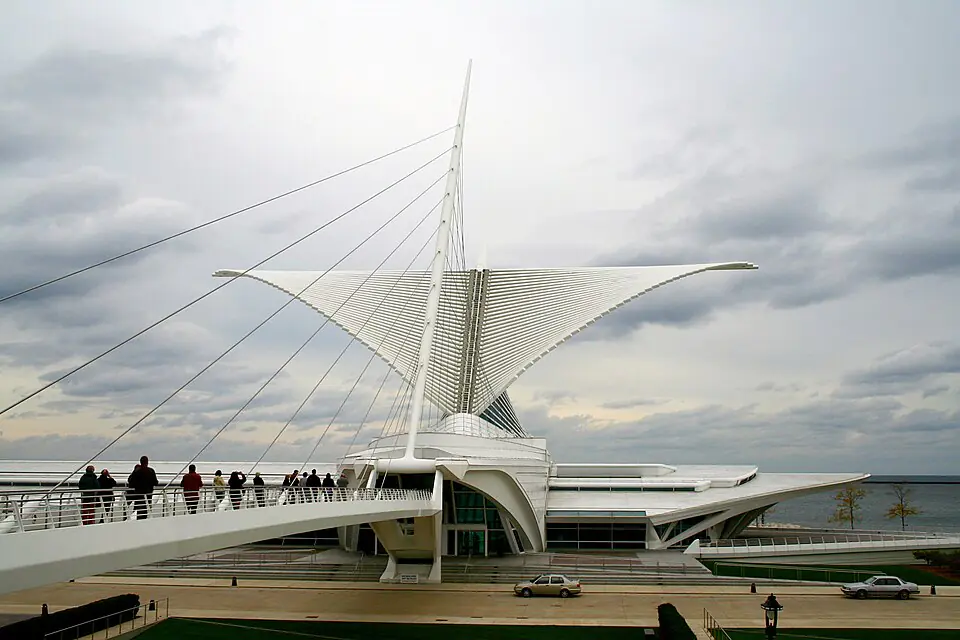
Milwaukee
The Hiawatha Train, the Museum with Wings
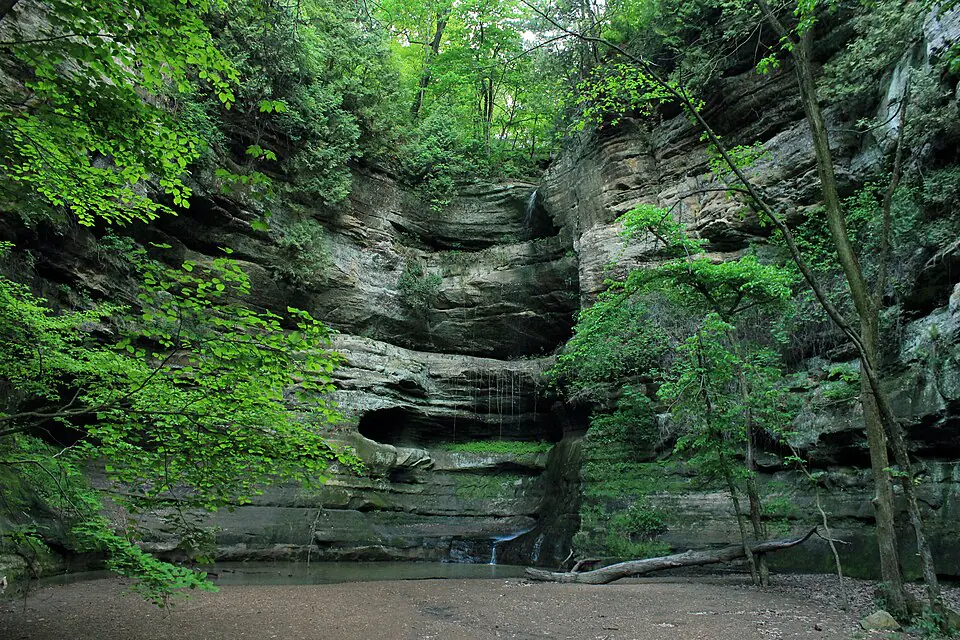
Starved Rock
Waterfalls on a Schedule, Eagles in Winter
Oak Park — Frank Lloyd Wright
Oak Park is the closest thing American architecture has to a pilgrimage site, and it’s barely a trip: 25 minutes on the Green Line. Wright spent his first twenty years here inventing the Prairie style, and the neighborhood holds the world’s largest concentration of his buildings — more than two dozen within walking distance.
Start at his Home and Studio. Entry is by guided tour only, and advance tickets are strongly recommended; the interior tour is the essential ticket. Cover the surrounding houses with the guided exterior walk or the self-paced audio version. Unity Temple, his poured-concrete masterpiece a few blocks south, has been restored and is the other interior worth paying for.
Half a day covers the core. If architecture is the point of your trip, add the Robie House back in Hyde Park — the Prairie style’s final exam — and make Wright the full day.
Read the full Oak Park day-trip page.
Indiana Dunes — The National Park Next Door
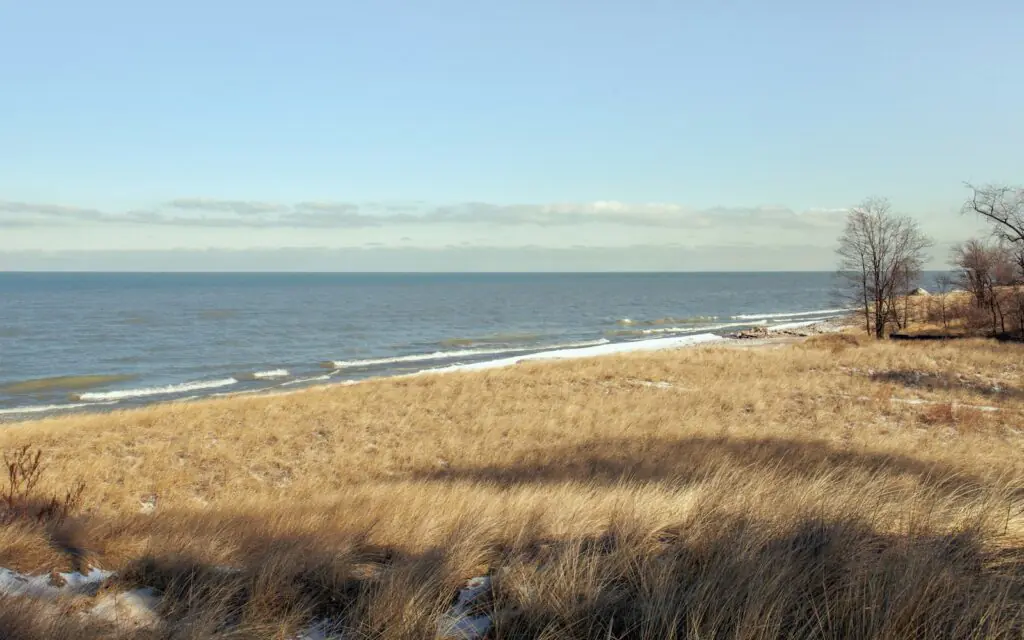
Indiana Dunes National Park sits an hour southeast, and you can reach it on the South Shore Line, an electric interurban train with its own fan club. The park runs fifteen miles of Lake Michigan beach backed by dunes nearly 200 feet tall. On clear days the Chicago skyline floats on the horizon across the water — that’s the photo most people bring home.
The day: climb the Three Dune Challenge in the adjoining state park (short, legitimately steep, bragging rights included), swim in summer, and walk the bog and forest trails. This modest shoreline is one of the most biodiverse parks in the country — the fact that convinced Congress to protect it, and the fact that will convert your skeptical companions.
Go in summer for the beach or October for the fall color. Either way, no day trip in the Midwest delivers more nature per transit dollar.
Read the full Indiana Dunes day-trip page.
Milwaukee — Beer City by Train
Milwaukee is ninety minutes north on Amtrak’s Hiawatha, which runs roughly hourly, costs little, and beats driving on any Friday.
Three anchors make the day. The Harley-Davidson Museum is genuinely excellent even if you don’t care about motorcycles — it’s an American-industry story told in chrome. The lakefront Milwaukee Art Museum has Calatrava-designed wings that physically open and close; time your visit to the noon opening, which sounds like a joke and is simply the schedule. And the brewery culture that named the baseball team is alive: tour Lakefront or Third Space for the craft era, or the historic Pabst complex for the old bones. The Third Ward and its Public Market handle lunch.
This is the easiest two-state day in the Midwest, and the right one for travelers who like their cities mid-sized and unpretentious.
Read the full Milwaukee day-trip page.
Starved Rock & the Canyons
Starved Rock State Park lies ninety minutes to two hours southwest, where eighteen sandstone canyons cut into the bluffs above the Illinois River. Waterfalls run in spring and after heavy rain. In deep winter the falls freeze, ice climbers arrive, and bald eagles winter below the dam — January and February are, counterintuitively, a peak season, and the eagle-watching weekends are an institution.
It’s the most popular state park in Illinois, so summer and fall weekends crowd the main canyons. Go midweek, arrive early, and hike past the first two canyons to lose the crowds. Tours run from the city, and drivers manage it easily. Spring waterfall season and October color are the two best windows.
Read the full Starved Rock day-trip page.
Lake Geneva — The Gilded Reach
Lake Geneva, ninety minutes north into Wisconsin, is where Chicago’s Gilded Age money summered after the 1871 fire. The Wrigleys, the Schwinns, and their neighbors ringed a spring-fed lake with estates whose lawns run to the water.
The best thing about the place is the Shore Path: a 21-mile public footpath that crosses every lakefront property by old right-of-way. You can legally walk through the backyards of the grandest houses in the Midwest. The full loop is a serious commitment; the stretch from Lake Geneva town to Williams Bay covers the highlights. Add the mailboat tour — young crew members jump from the moving boat to the docks to deliver mail, which is a real summer job — and a lakefront lunch.
Go summer through early fall. The town goes quiet, prettily, the rest of the year.
The River Cruise, the Art Institute & the City
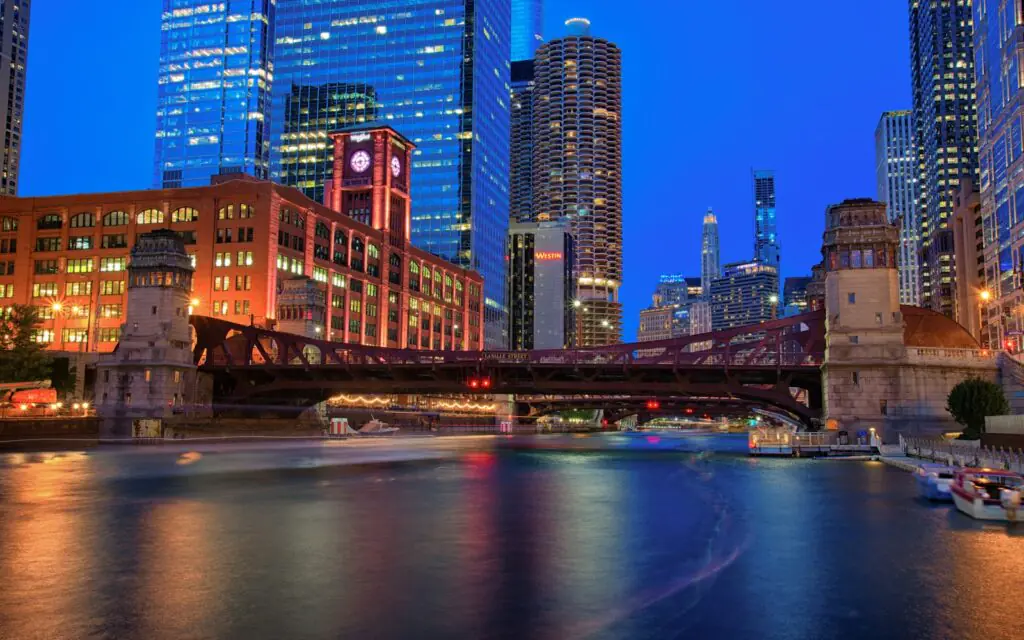
Now the main event. The Chicago Architecture Center’s river cruise is the best ninety minutes of urban tourism in America: the city that invented the skyscraper, narrated from water level by trained docents. Book ahead in season, and take a morning or golden-hour sailing for the light. Other companies run river cruises too — check who trains the guides before you substitute. In cold months, the Architecture Center’s walking tours carry the same scholarship on foot.
The Art Institute is one of the top museums on earth. The Impressionist rooms, American Gothic, and Nighthawks justify the visit; the Thorne Miniature Rooms steal it. Book timed entry, pick one wing, and don’t try to see everything.
Then the civic rituals. Millennium Park and the Bean: free, mobbed, mandatory, quick. Wrigley Field: take the tour, or better, see a game — the ballpark itself is the exhibit. Deep-dish pizza: order one, share it, and know that locals mostly eat tavern-style thin crust cut in squares, which makes an excellent second opinion. And one night of blues at Kingston Mines or Buddy Guy’s Legends, where the music that came up Highway 61 still plays nightly. Summer adds the lakefront path and the beaches. Winter is genuinely brutal outdoors, but the museums, the food, and the blues don’t take the season off.
Frequently Asked Questions
What is the best tour in Chicago?
The Chicago Architecture Center’s river cruise — ninety minutes of the skyline narrated from the water by trained docents. Book ahead in season and aim for morning or golden-hour light.
Is Oak Park worth visiting for Frank Lloyd Wright?
Essential for architecture fans — 25 minutes on the L to Wright’s Home and Studio plus two dozen of his buildings in walking distance. Book the interior tour ahead; add Robie House for the full Wright day.
Can you visit Indiana Dunes without a car?
Yes — the South Shore Line electric train runs from downtown to the park in about an hour. Beach in summer, dune climbs and fall color otherwise, with the skyline visible across the lake.
Is Milwaukee worth a day trip from Chicago?
Yes — 90 minutes on the Hiawatha train for the Harley-Davidson Museum, the Calatrava art museum (its wings open at noon), and the brewery tours. It’s the easiest two-state day in the Midwest.
When is the best time to visit Chicago?
June through October — the lakefront, the festivals, the river cruise in full light, and fall color at Starved Rock. Winter is genuinely cold, but the museums, architecture tours, and blues clubs stay warm.